The Quiet Revolution in Urban Neighborhood Stability
For decades, the narrative of urban growth has followed a predictable, often painful, cycle. A neglected neighborhood is ‘discovered’ by investors, capital flows in, property values skyrocket, and the very people who gave the district its character are priced out. This process of gentrification is often framed as an inevitable byproduct of progress. However, a growing movement of urban planners, activists, and residents are pointing toward a different model—one that decouples the land from the market: the Community Land Trust (CLT).
Community Land Trusts represent a fundamental shift in how we think about property ownership. Instead of treating land as a speculative commodity to be flipped for maximum profit, CLTs treat it as a community asset. As we look for ways to build smarter, more inclusive cities, the CLT model is emerging not just as a niche housing solution, but as the most robust defense we have against the erosion of neighborhood identity.
The Structural Genius of Decoupling Land and Home
At its core, a Community Land Trust is a nonprofit organization that acquires land and holds it in perpetuity for the benefit of the community. While the trust owns the land, the buildings on top of it—whether they are single-family homes, apartment complexes, or even commercial spaces—are owned or leased by individuals. This ‘dual ownership’ is the engine that drives permanent affordability.
Separating Speculation from Shelter
In a traditional real estate transaction, a home’s price is heavily dictated by the value of the land it sits on. In desirable urban centers, the land value often outpaces the value of the structure itself. By removing the land from the equation, CLTs can sell homes at significantly lower prices to low- and moderate-income families. When a resident decides to move, they sell the home back to the trust or to another qualifying low-income buyer at a formula-driven price. This allows the seller to build some equity while ensuring the home remains affordable for the next generation.
A Buffer Against the Cycles of Gentrification
One of the most pressing challenges in modern urbanism is maintaining ‘socially integrated urban residential districts.’ As we have seen in recent shifts toward more human-centric city design, a neighborhood’s health is directly tied to its diversity. When a neighborhood becomes an exclusive enclave for the wealthy, it loses the essential services and cultural vibrancy that made it attractive in the first place.
CLTs act as a structural buffer. Because the trust controls a significant portion of the local land, it can prevent the wholesale displacement that usually follows private investment. It creates ‘permanent islands of affordability’ that remain untouched by the volatility of the surrounding market. This stability allows long-term residents to stay, fostering the social capital and community ties that are often destroyed by rapid gentrification.
Key Advantages of the Community Land Trust Model
Beyond simple affordability, the CLT model offers a suite of benefits that traditional subsidized housing often lacks. These include:
- Democratic Governance: Most CLTs are governed by a tripartite board consisting of CLT residents, neighborhood residents who are not CLT leaseholders, and public representatives. This ensures the land is managed according to the community’s actual needs.
- Wealth Building: While residents don’t get the ‘windfall’ profits of a market-rate sale, they do build genuine equity and benefit from the stability of fixed housing costs, which is a primary driver of long-term financial health.
- Stewardship and Support: CLT staff often provide ongoing support to homeowners, including financial counseling and assistance with maintenance, which drastically reduces foreclosure rates compared to traditional market-rate loans.
- Commercial and Green Space: CLTs aren’t limited to housing. They can be used to preserve space for local small businesses, community gardens, or green infrastructure, ensuring that neighborhood amenities serve the residents rather than just tourists or high-earners.
The Economic Resilience of Land Trusts
Critics of the CLT model often point to the complexity of the legal and financial structures involved. However, the data suggests that this complexity pays off in times of economic crisis. During the 2008 housing market collapse, for instance, homeowners in CLTs were significantly less likely to face foreclosure than those with conventional mortgages. The built-in support systems and the non-speculative nature of the investment created a safety net that traditional markets simply couldn’t provide.
Building Toward a Smarter, More Human City
As we advocate for green infrastructure and climate-resilient cities, we must also advocate for resident-resilient neighborhoods. A city that is environmentally sustainable but socially exclusionary is not a ‘smart’ city; it is a gated one. The rise of co-living spaces and affordable housing developments are steps in the right direction, but the Community Land Trust offers something deeper: a sense of belonging and agency.
Conclusion: The Future of Urban Belonging
The movement toward Community Land Trusts is more than just a policy preference; it is a recognition that the current trajectory of urban real estate is unsustainable. To save our neighborhoods, we must move away from the idea that housing is merely a vehicle for investment and return to the idea that it is the foundation of community life.
By protecting land from the whims of the global market, CLTs allow neighborhoods to grow and evolve without losing their souls. They represent a path toward a city that is not only smarter and greener but also more just. In the effort to end street sleeping and housing insecurity, the CLT stands out as a proven, scalable, and deeply human solution to the most complex challenge of our time.
Related Posts
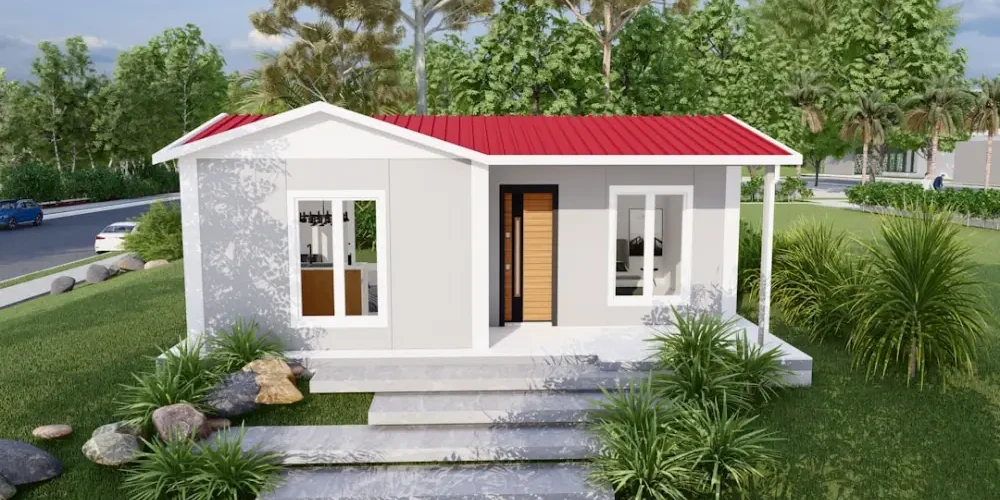
Why affordable housing development is finally making cities feel more human
Discover why affordable housing…

How co-living spaces are helping us find community in lonely cities
Discover how co-living spaces combat…