
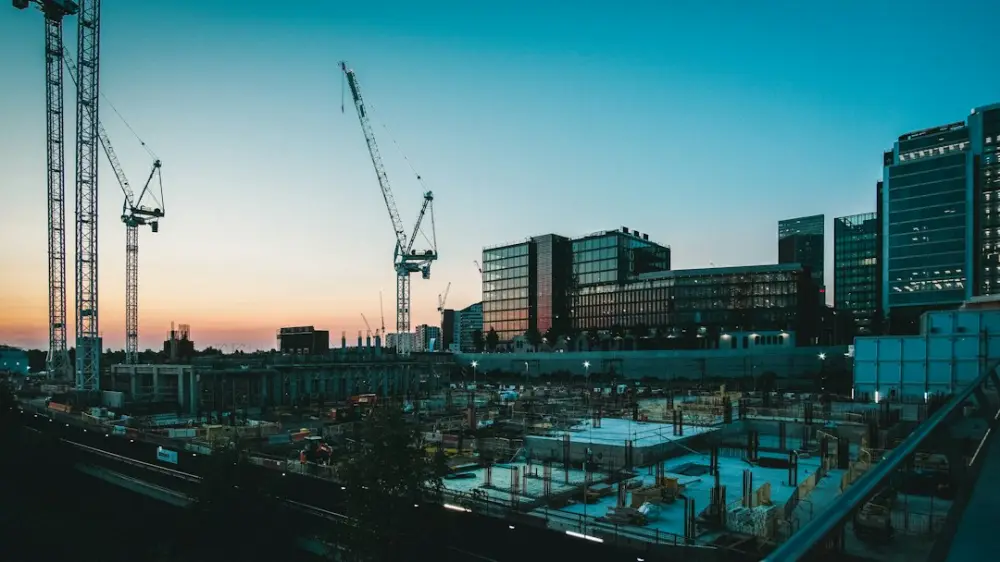
Building inclusive housing and sustainable communities in 2026 requires a delicate balance between rapid delivery and uncompromising safety standards. As the demand for affordable, eco-friendly living spaces grows, the construction industry faces the challenge of implementing modern methods of construction while protecting both the workforce and the future residents. A successful project is one where the design for inclusivity is matched by a management style that prioritizes health and safety at every stage. This ensures that the physical structures are not only environmentally sound but also safe for the people who build them and the communities that will eventually occupy them.
Sustainable communities are more than just energy-efficient buildings; they are spaces designed for longevity, accessibility, and social cohesion. Achieving these goals requires high-level oversight from professionals who understand the intersection of environmental impact and site safety. From the initial groundbreaking to the final handover, the management of a construction site dictates the quality and safety of the living environment being created. By focusing on rigorous safety protocols, developers can avoid the delays and accidents that often hinder the progress of social housing initiatives.
The Role of Site Managers in Inclusive Infrastructure
Site managers are the primary guardians of safety and quality on a construction project. In the context of inclusive housing, their role extends beyond simple supervision. They are responsible for ensuring that the construction site remains accessible and safe for the surrounding community, particularly when building in dense urban areas. This involves managing complex logistics, such as the delivery of modular components and the management of heavy machinery, while minimizing disruption to local residents. A well-managed site reflects the values of the community it is intended to serve, demonstrating a commitment to care and professionalism.
Effective site management also involves a deep understanding of the Construction Design and Management (CDM) Regulations. These regulations are essential for ensuring that health and safety are integrated into the design and management of projects from start to finish. Site managers must be able to translate these legal requirements into practical, on-site actions that protect workers. This include implementing clear signage, maintaining safe walkways, and ensuring that all personnel are trained to handle the specific challenges of a sustainable build.
Safety Protocols for Green Building Materials
The shift toward sustainable construction has introduced a variety of new materials and techniques that require specific safety considerations. Materials such as cross-laminated timber (CLT), hempcrete, and recycled aggregates are increasingly common in 2026. While these materials offer significant environmental benefits, they also present unique risks during the construction phase. For instance, timber frames require strict fire safety management during the assembly process, and recycled materials may have different structural properties than traditional concrete or steel.
- Fire Risk Assessment: Managing the increased fire load during the construction of timber-based housing is a priority for modern site leaders.
- Structural Integrity: Ensuring that sustainable materials are stored and handled correctly to prevent degradation or structural failure.
- Chemical Safety: Monitoring the use of low-VOC (volatile organic compound) adhesives and finishes to protect the respiratory health of workers.
- Waste Reduction: Implementing site-wide strategies to minimize material waste, which contributes to both safety and environmental goals.
By establishing clear protocols for the handling and installation of these materials, site managers can ensure that the environmental benefits of the project are not compromised by safety incidents. This proactive approach is essential for maintaining the reputation of sustainable housing as a viable and safe alternative to traditional construction.
Integrating Community Accessibility into Site Safety
Inclusive housing projects are often located in the heart of existing neighborhoods, meaning that the construction site is a temporary neighbor to many people. Ensuring that the site does not become an obstacle or a hazard for local residents is a key component of sustainable community development. This includes maintaining clear, well-lit pedestrian paths around the site and ensuring that hoardings are secure and informative. Site managers must also consider the needs of people with disabilities, ensuring that construction activities do not block accessible routes or create hazards for those with limited mobility.
Engagement with the local community is also vital. By keeping residents informed about upcoming works and potential disruptions, site managers can build trust and reduce the likelihood of accidents involving members of the public. This community-focused approach to safety helps to ensure that the project is welcomed by the people it is intended to benefit. It also reflects a broader commitment to social sustainability, where the process of building is just as inclusive as the final product.
Professional Development for Site Leaders
Education remains a cornerstone of safety culture on any sustainable construction project. As regulations evolve, leaders must stay updated on the latest legislative changes and risk management strategies. Site managers often choose to complete SMSTS training online to ensure they are fully compliant with current Health and Safety Executive requirements without needing to leave the project site for extended periods. This training covers essential topics such as the Construction Design and Management (CDM) Regulations, waste management, and electricity at work. This article provides general information and does not constitute professional safety or legal advice.
The ability to access high-quality training remotely has become increasingly important in 2026, as it allows for continuous professional development without disrupting the tight schedules of housing projects. Managers who stay informed about the latest safety standards are better equipped to lead their teams and manage the diverse risks associated with modern construction. This commitment to learning is a hallmark of a professional who is dedicated to the long-term success and safety of inclusive housing initiatives.
Risk Management in High-Density Social Housing
High-density social housing projects present specific safety challenges due to the concentration of residents and the complexity of the building systems involved. In these projects, site managers must focus on long-term safety features, such as fire suppression systems, emergency exits, and durable materials that can withstand heavy use. The safety of the construction process directly impacts the eventual safety of the residents. For example, ensuring the correct installation of fire stopping materials is a critical task that requires meticulous oversight during the build phase.
Additionally, the management of high-density sites requires a high level of coordination between different trades. Site managers must ensure that everyone on site, from electricians to plumbers to carpenters, is working to the same high safety standards. This is particularly important when working on complex systems like district heating or centralized ventilation, which are common in sustainable developments. Clear communication and regular safety briefings are essential for maintaining a unified approach to risk management on these large-scale projects.
Digital Advancements in Site Safety Supervision
The year 2026 has seen a significant increase in the use of digital tools to enhance site safety. From drone inspections to AI-powered risk assessment software, technology is helping site managers to identify and mitigate hazards more effectively than ever before. For sustainable housing projects, these tools can be used to monitor the environmental impact of the site in real-time, ensuring that noise levels, dust, and vibrations are kept within acceptable limits for the surrounding community.
Wearable technology is also becoming more common, providing workers with real-time alerts about potential hazards, such as proximity to heavy machinery or exposure to harmful substances. These digital advancements do not replace the need for skilled site management; instead, they provide managers with the data they need to make more informed decisions. By embracing these technologies, the construction industry can continue to improve safety standards while delivering the inclusive and sustainable housing that society needs. The integration of technology and professional expertise is the key to creating communities that are safe, healthy, and built to last.