

The Quiet Evolution of Our Urban Landscapes
For decades, the blueprint of the modern city was one of separation. We carved our environments into rigid zones: places to work, places to shop, and places to sleep. In this pursuit of efficiency and order, we inadvertently built walls between ourselves and our neighbors. However, as we stand at the crossroads of a new era in urban development, a profound shift is occurring. We are moving away from isolated residential enclaves and toward socially integrated urban residential districts—spaces designed not just for housing, but for human connection.
By prioritizing these diverse neighborhoods, we can better understand how affordable housing development fosters a sense of belonging and makes our growing cities feel more human.
This shift is more than a trend in architecture; it is a reflection of a deeper collective realization. We have begun to understand that a city is not merely a collection of infrastructure, but a living, breathing tapestry of human experience. When we isolate residents by income, age, or background, we thin the social fabric that sustains us. The move toward integration is an attempt to re-weave those threads, creating neighborhoods that mirror the beautiful complexity of the human family.
Beyond Bricks and Mortar: The Soul of the Integrated District
What does it mean for a district to be socially integrated? It is a question that requires us to look beyond the physical structures and into the daily rhythms of the people who inhabit them. At its core, social integration is about breaking down the silos that have traditionally defined urban life. It is the intentional design of neighborhoods where diverse socio-economic groups coexist, where the elderly live alongside young families, and where the barriers between private and public life are softened.
In these districts, the focus shifts from the individual unit to the shared experience. We are seeing a move away from the ‘gated community’ mentality, replaced by a philosophy of openness. This transition is born from the understanding that when we share spaces—parks, libraries, markets, and plazas—we foster empathy. We begin to see the ‘other’ not as a stranger or a statistic, but as a neighbor with shared hopes and struggles. This is the foundation of a resilient city: the quiet, daily interactions that build a sense of mutual responsibility.
The End of Social Silos
Historically, urban planning often favored homogeneity. High-end luxury towers stood in stark contrast to neglected public housing, creating a visual and psychological divide. Today’s shift toward integration challenges this status quo by advocating for mixed-income developments. By intertwining affordable housing with market-rate units, we create pathways for upward mobility and ensure that those who serve the city—teachers, nurses, and service workers—can afford to live within the communities they support. This integration is a vital step in our mission to end street sleeping, as it provides a stable, inclusive environment that prevents the marginalization that so often leads to homelessness.
The Architecture of Empathy: Designing for Connection
Creating a socially integrated district requires more than just a policy change; it requires a new approach to design. Architects and planners are now asking: How can a building encourage a conversation? How can a street corner foster a sense of safety and belonging? This is the ‘architecture of empathy,’ where every bench, walkway, and courtyard is an invitation to engage with the world.
These districts prioritize the ‘human scale.’ Instead of monolithic blocks that dwarf the individual, we see varied facades, pedestrian-friendly streets, and an abundance of green space. These elements are not merely aesthetic choices; they are psychological anchors. They slow us down, encouraging us to linger and interact rather than simply pass through. When we design for the pedestrian rather than the car, we reclaim the street as a social stage.
Key Elements of Socially Integrated Neighborhoods
- Mixed-Income Housing: Blending diverse housing types to ensure economic diversity and prevent geographic segregation.
- Intergenerational Spaces: Designing parks and community centers that cater to both the energetic play of children and the quiet reflection of seniors.
- Walkable Infrastructure: Prioritizing sidewalks and bike paths over highways to encourage spontaneous social encounters.
- Shared Green Assets: High-quality public parks that serve as the ‘communal living room’ for all residents, regardless of their background.
- Adaptive Re-use: Transforming old industrial sites into vibrant community hubs that honor the past while serving the future.
A Reflection on Belonging and the Future of Urban Living
As we look toward the future, the rise of socially integrated urban residential districts offers a glimmer of hope in an often-fragmented world. It suggests that we are finally moving past the era of the ‘lonely city.’ By choosing to live closer together—not just in physical proximity, but in social spirit—we are rediscovering the ancient truth that we are social creatures who thrive on belonging.
This shift requires a certain level of vulnerability. It asks us to step out of our bubbles and engage with the diversity of the human experience. It challenges us to build cities that are not just ‘smart’ in terms of technology, but ‘wise’ in terms of humanity. A truly smart city is one where no one is invisible, and where the design of our residential districts ensures that every citizen has a place to call home and a community to call their own.
In the end, the movement toward integrated districts is an act of restoration. It is a commitment to building smarter cities for better living—cities where the streets are not places of struggle, but pathways to connection. As we continue to rethink our urban landscapes, let us remember that the most important infrastructure we can ever build is the bridge between one another.
Related Posts

Why community land trusts might actually be the best way to save neighborhoods
Explore how community land trusts offer…
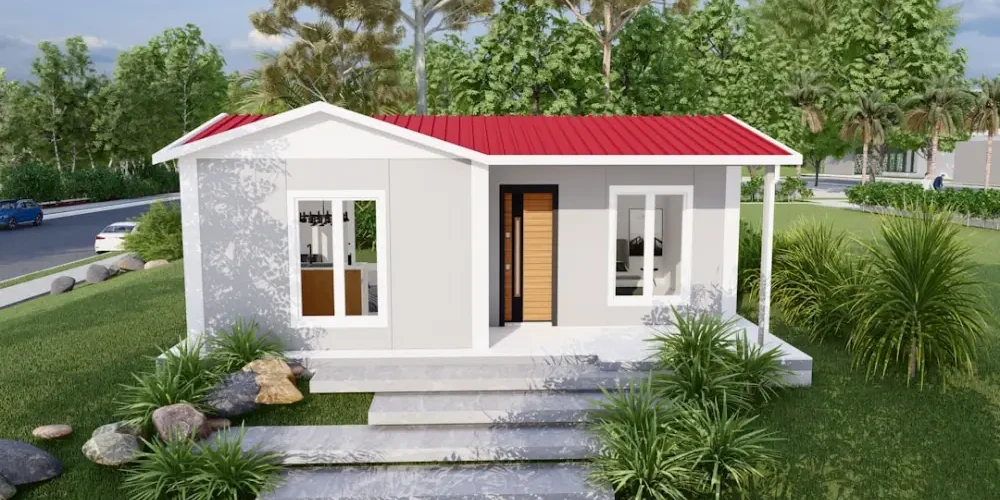
Why affordable housing development is finally making cities feel more human
Discover why affordable housing…

How co-living spaces are helping us find community in lonely cities
Discover how co-living spaces combat…